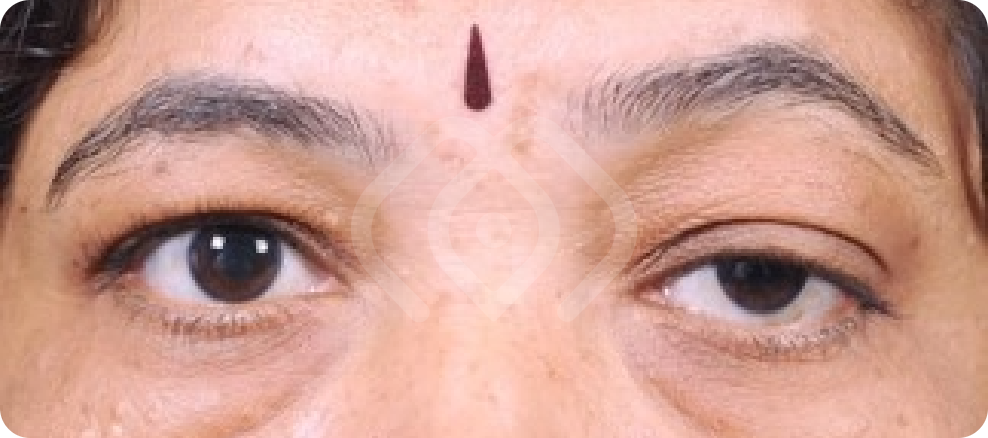
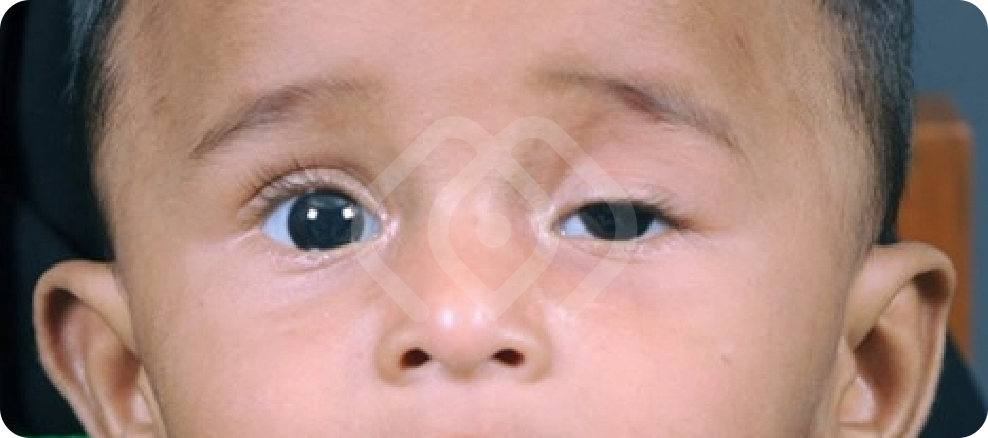
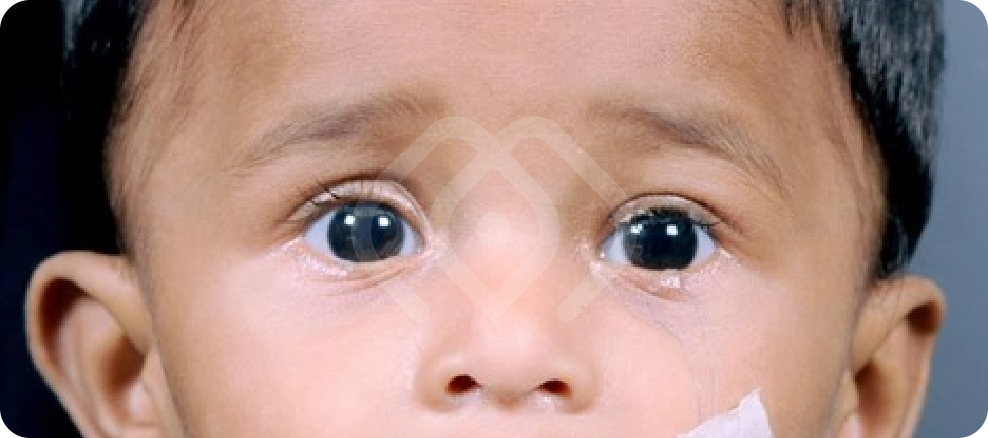
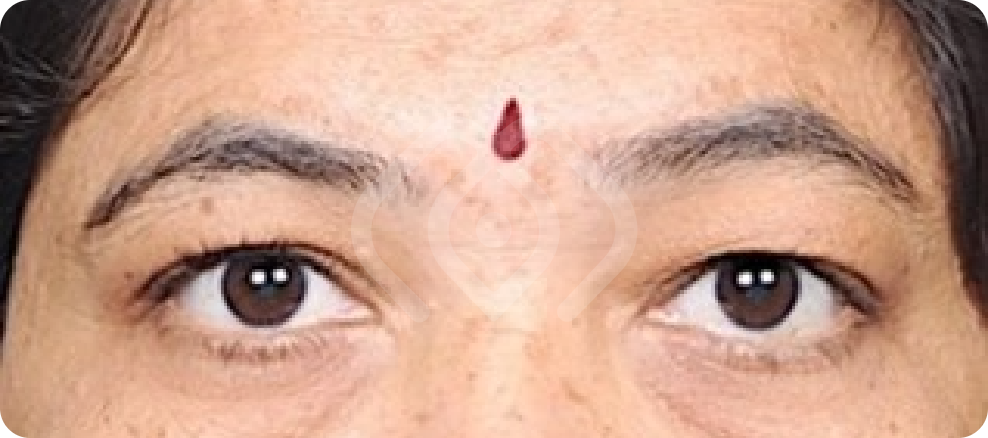
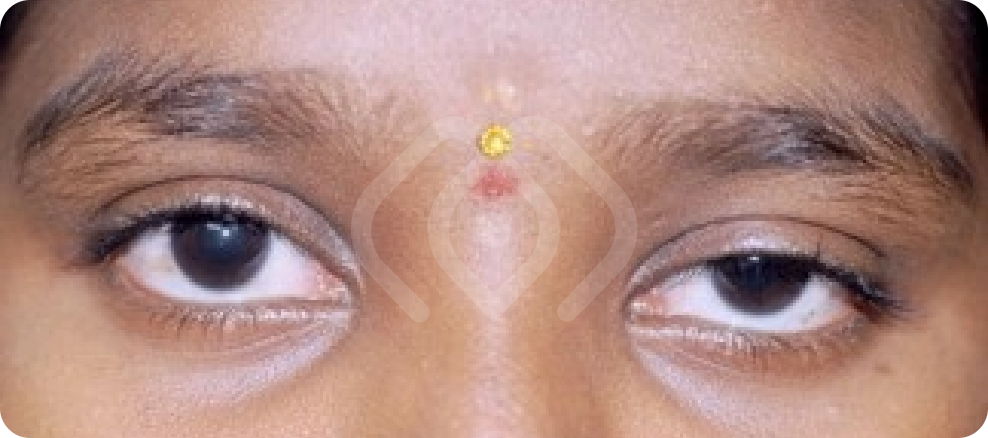
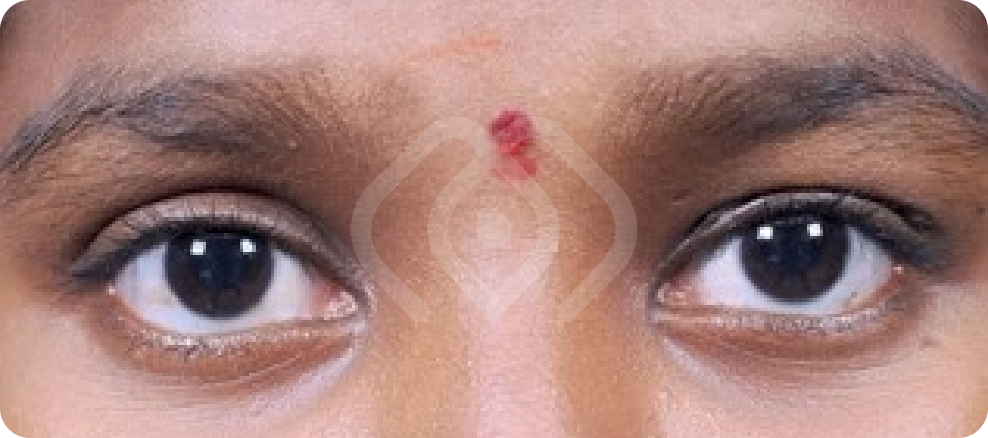
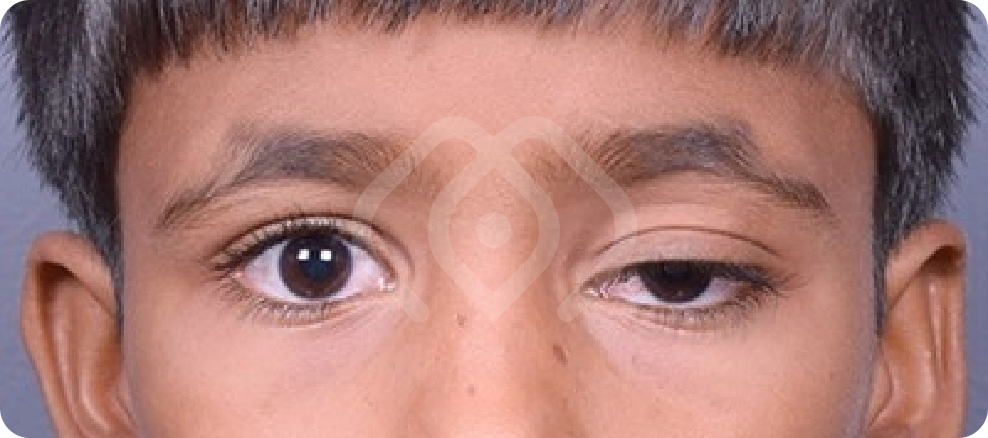
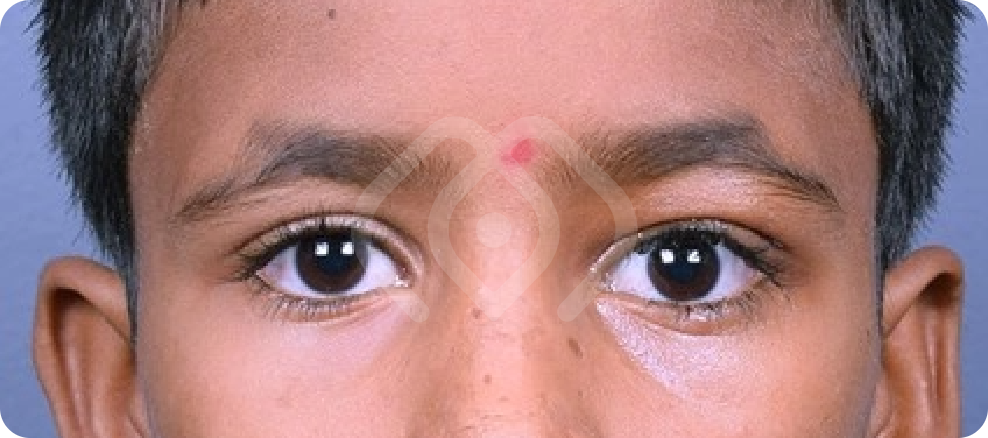
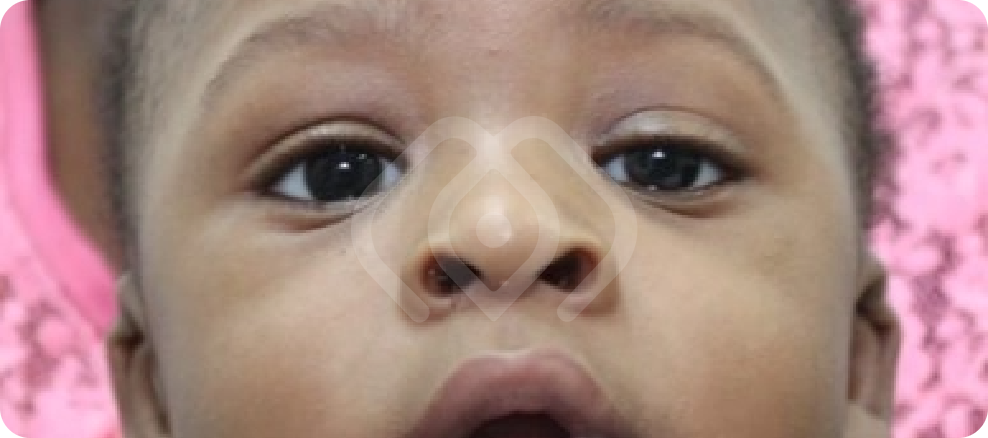
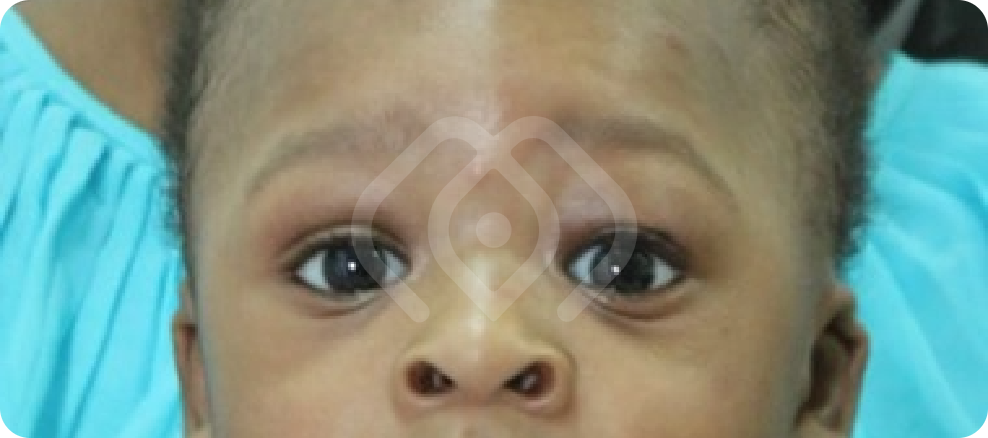
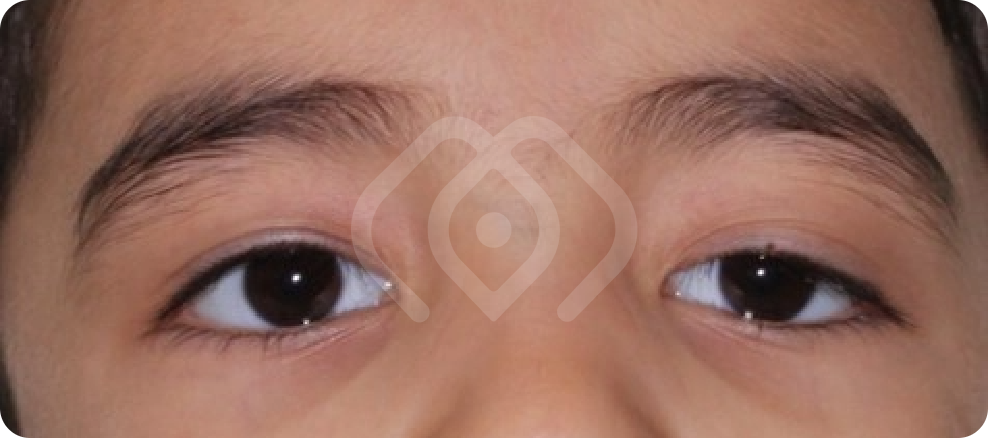
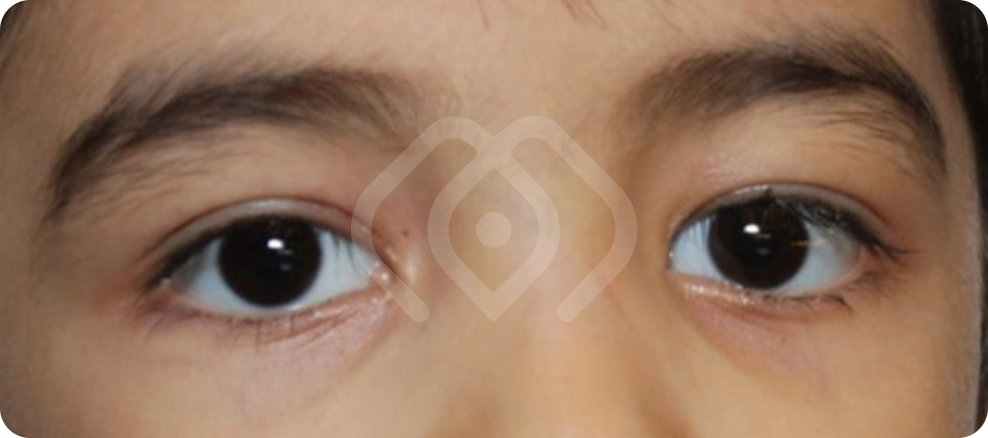
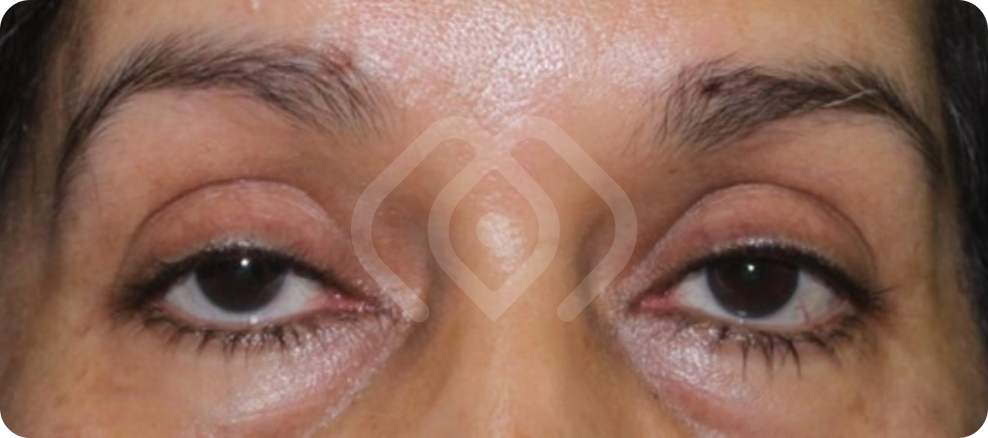
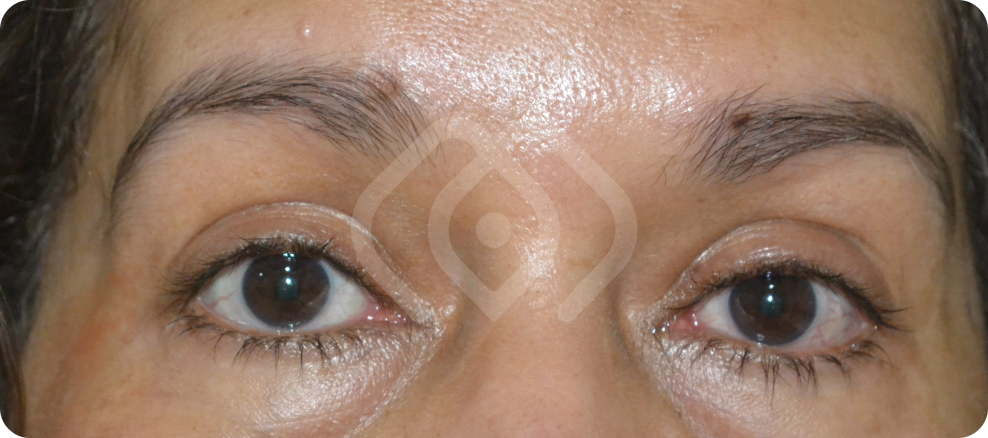
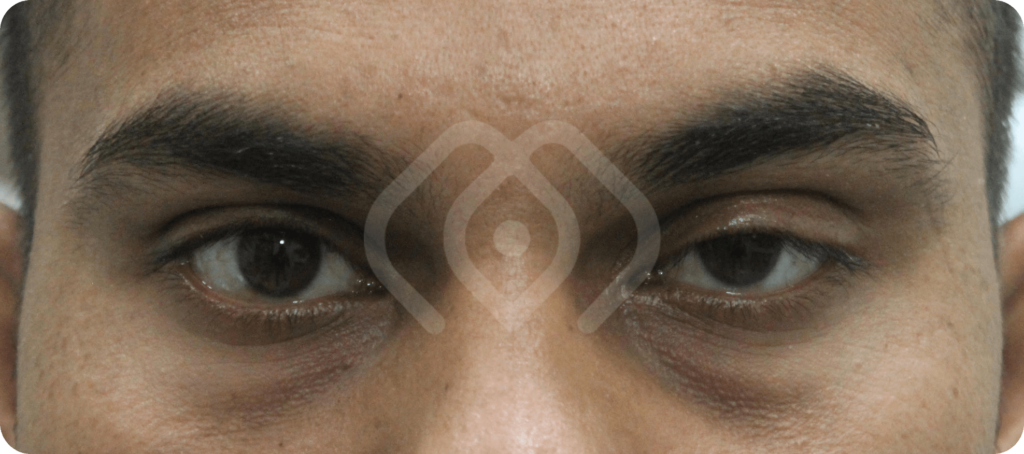
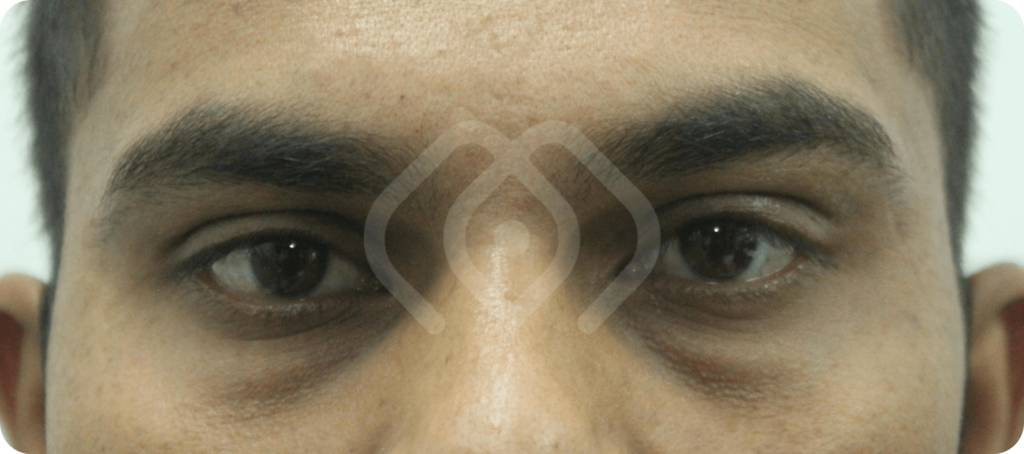
The condition of drooping upper eyelids is known as Ptosis in medical science. It can occur due to swollen lid, damage in the nerve controlling your eyelid muscles, muscle strength issues, underlying medical issues, stroke, neurological disorders, family history, or severe fatigue. Ptosis is also a congenital disease (present at birth).
Our expert oculoplastic surgeons at MEPS, Dr. Prerana Tahiliani & Dr. Adit Gupta, perform ptosis correction & ptosis repair surgery using a laser-assisted technique.
Before
After
Before
After
Before
After
Before
After
Before
After
Before
After
Before
After
Before
After
What are the Symptoms?
Obstruction in the upper field of vision
Fully blocked vision
Double vision
Extreme fatigue & tiredness
Sudden closure of the eyelid
Difficulty in blinking & closing the eye
Pain around the eyes
When Do You Need Ptosis Surgery?
You may need to undergo Ptosis Surgery if you experience partly obstructed vision, completely blocked vision, or you have to lift your eyelids with your fingers or through forehead muscles for a clear sight. The surgery, also referred to as droopy eyelid surgery, helps elevate your upper eyelid for vision restoration. M.E.P.S provides the best Ptosis Surgery in Mumbai.
Procedure
Ptosis correction surgery at MEPS is done using local anesthesia. Sedation is also used, if needed. The surgical procedure helps tighten the levator muscle, lifting the affected eyelid back to its normal, desired position. In some severe cases, a silicone sling is used for strengthening the eyelid muscle.
Post the surgery, ointment is applied to the eyes, and ice packs are used for comfort.
Recently, the MEPS team has introduced Scarless Ptosis Surgery for correcting mild to moderate droopy eyelids. In this surgery, we tighten the loose muscle from the back of the eyelid to avert a skin cut.
What to expect?
After the surgery, patients tend to experience some bruising and swelling. Elevating the head and using cold compresses help relieve discomfort.
It takes approximately a week after the surgery to remove sutures/stitches. It is advised to keep the wound clean post a ptosis repair surgery.
Time for recovery
The swelling post droopy eyelid surgery takes around a week to heal. Though complete healing takes about a month, patients are able to resume work within a week after the surgery.
Our team of expert cosmetic eyelid surgeons, Dr. Adit Gupta and Dr. Prerana Tahiliani, see patients post weeks 1 and 6 of the surgery to monitor their progress.
Please note that one must avoid yoga, swimming, or any type of heavy exercise for at least two weeks after the ptosis surgery to allow proper healing.
Dr. Prerana Tahiliani is a fellowship-trained, board-certified Ophthalmic Plastic Surgeon and Ocular Oncologist in Mumbai. She has completed extensive training in her chosen specialization of Ophthalmic Plastic Surgery.
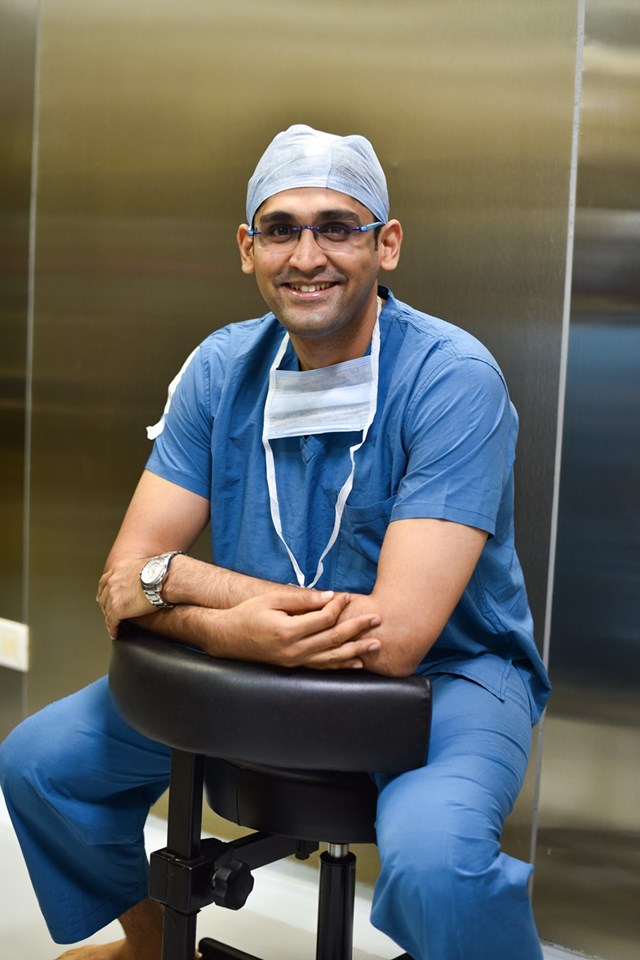
Dr. Adit Gupta
Dr. Adit Gupta is a highly skilled and qualified Ophthalmic Plastic Surgeon in Mumbai. He holds the coveted double-fellowship ASOPRS (the American Society of Ophthalmic Plastic and Reconstructive Surgery) recognition with a specialization in Ophthalmic Plastic Surgery as well as Facial Aesthetics.
Frequently Asked Questions
How can ptosis be treated?
Ptosis, or a drooping upper eyelid, can be treated with ptosis surgery when appropriate. The type of treatment depends on the cause and severity of the drooping eyelid.
What are the risks of ptosis surgery?
Ptosis surgery can have risks such as swelling, bruising, discomfort or changes in eyelid position. Your oculoplastic specialist will assess your eyelid and explain the potential risks before surgery.
How painful is eyelid lift surgery?
Eyelid lift or ptosis surgery is generally well tolerated, with discomfort during recovery rather than severe pain. Your surgeon can advise you about pain relief and post-operative care.
What is the success rate of ptosis repair surgery?
The outcome of ptosis repair varies depending on the cause, severity and eyelid muscle function. Your oculoplastic surgeon can discuss the expected result after examining your eyelid.
What is the main cause of ptosis?
Ptosis can have different causes, including weakening or dysfunction of the muscle that lifts the upper eyelid. An eye or oculoplastic specialist can determine the underlying cause.
Can ptosis return after surgery?
Ptosis can recur in some patients after surgery, depending on its underlying cause and other factors. Regular follow-up with an oculoplastic specialist is important if the eyelid begins to droop again.
What not to do after ptosis surgery?
After ptosis surgery, avoid strenuous activities until your surgeon allows you to resume them. Follow all prescribed eye care and post-operative instructions to support proper healing.
How long is recovery after ptosis surgery?
Recovery after ptosis surgery varies between patients and depends on the surgical technique and individual healing. Your oculoplastic surgeon will provide specific guidance on when you can return to normal activities.
How much does ptosis surgery cost in Mumbai?
The cost of ptosis surgery in Mumbai depends on the severity and cause of drooping eyelids and the surgical technique required. An oculoplastic specialist can evaluate the eyelid and provide an individual treatment plan and estimate.
What is the best surgery for ptosis?
There is no single best ptosis surgery for everyone. The procedure is selected based on factors such as levator muscle function, severity of drooping and the underlying cause.
How painful is ptosis surgery?
Ptosis surgery is performed with appropriate anaesthesia to minimise discomfort during the procedure. Mild pain, swelling, bruising or tightness may occur during recovery.
What Our Patients Say
It was a wonderful experience with Dr Prerna and Dr Adit during the entire process of having the Myectomy + Ptosis correction surgery for my 70 yo father. They took very good care of him both pre and post surgery and have genuine concern and care for their patient. Dr Prerna patiently answered all our questions and concerns building up to the surgery.
From the detailed consultation with Dr Adit Gupta till the final outcome of my upper lid surgery to correct my condition of ptosis was a very satisfying and happy experience.
I was very apprehensive about going in for this procedure, eyes being the most delicate and sensitive part of the face but Dr Gupta answered all my doubts and queries with the utmost concern . I had consulted other surgeons but felt most at ease and convinced of the expertise and latest techniques used by both him and Dr Prerna .
My eyelids feel lighter and less tired with a remarkable improvement in my vision .
Thank you Dr and team .
I had a very satisfying experience with a kid who had ptosis-drooping of eyelids. I would surely recommend to my patients as well as relatives. Keep up the good work Dr. Prerana and Dr. Adit.
Had a very good experience with Dr. Adit for Ptosis surgery He was very polite, explained everything clearly, and made us feel comfortable throughout the process. The pricing was also transparent and there were no changes in the fees quoted before surgery.The procedure went smoothly and we are very happy with the results. Would definitely recommend Dr. Adit and his team.
Dr Gupta is a nice and humble person first then a doctor. Will recommend to everyone who wants or has to do anything related to eyes. Kudos MEPS team.
Excellent !!! Very Kind and Gentle Dr Adit Gupta is Definitely Gods Grace On You Dr. Thank You Had an Amazing Change in my look Very Clean Hygienic Clinic Specially with the Covid Protocols No Regrets Coming here🙂👏Bless you all
Hello Dr.adit Gupta you are very great doctor . Words are not enought to talk about your skills .you have lot of talent and skill .you brought similarities in my eyes .I can say for sure that you are the best sergeon for me .you give me a new face n look I can't say my happiness in words it is say that I saw a god as doctor .doctors answering my very small questions every time along with your skills ,you have a lot of humanity thank you very much doctor
Recently I was treated by Dr. Adit Gupta and still consulting him regularly. I found him very understanding and very clear in his approach, which satisfies a patient's anxiety. Dr Adit is not only a good doctor but very good an humble human being too. He is very patient to answer all the queries which a person might have.
Dr. Adit Gupta is a highly trained & experienced surgeon. He uses state of the art technology and is persistent in getting the best possible results. He is genuinely concerned with the well-being of his patients. The clinic has the latest facilities and even the staff is very cooperative. Not to forget the old melodies in the OT to put the patients to ease. Highly recommend.
It was great experience,Dr.Adit sir and Dr Prerna mam, due to this two persons and other hospitals staff, my operation is very good successful and satisfactory, specially Adit sir, given me attention on small things and resolve my all questions about my surgery, sir was very nice and great personality and I am very heartily thanks for given me a confidance.