
Thyroid Eye Surgery
Thyroid Eye Surgery
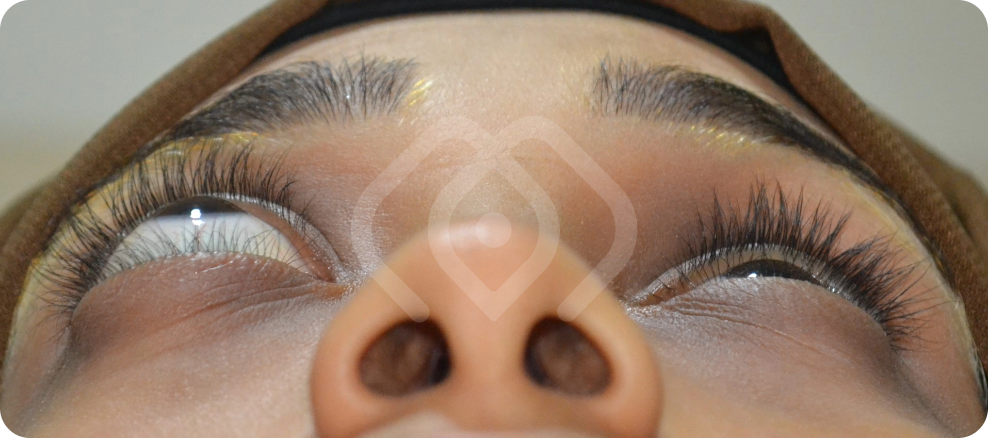
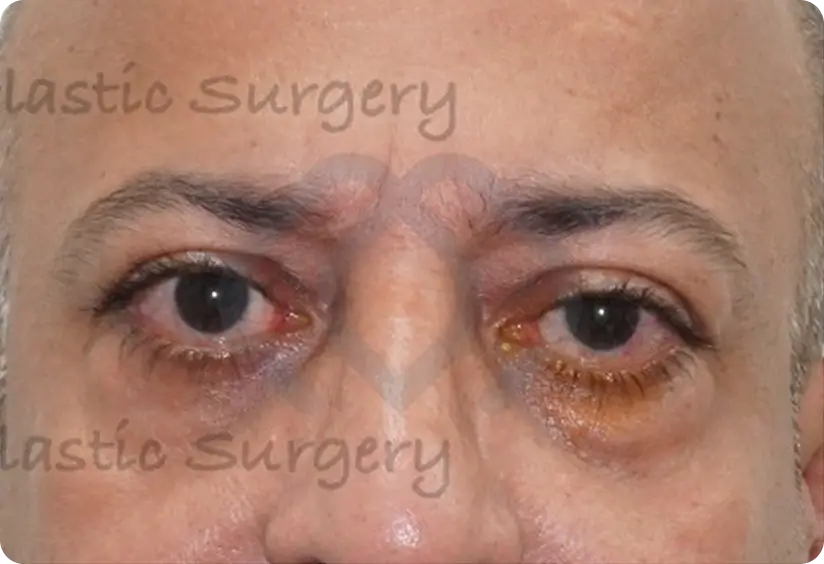
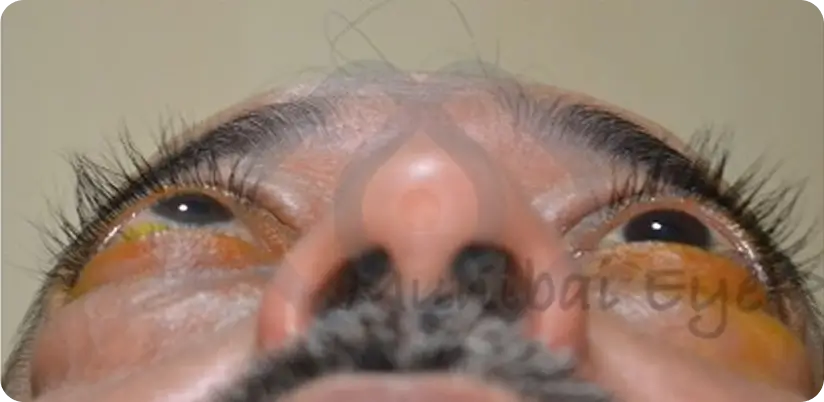
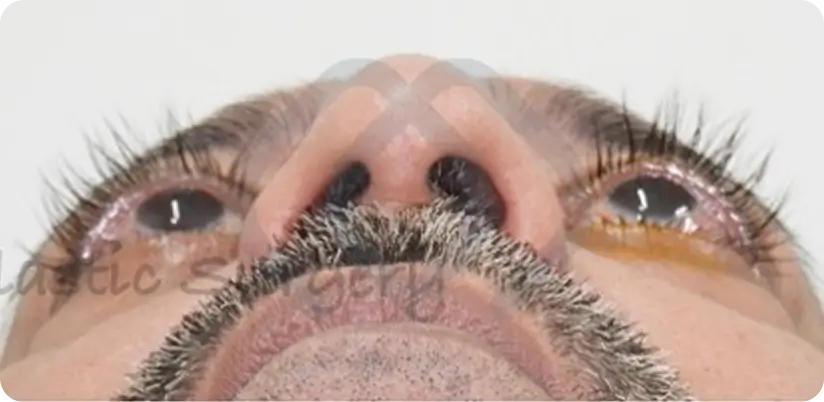
Thyroid Eye Surgery is a surgical procedure primarily focuses on correcting ocular symptoms related to thyroid eye disease. It aims to alleviate eye discomfort, double vision, and other functional issues by addressing muscle imbalances and orbital congestion.
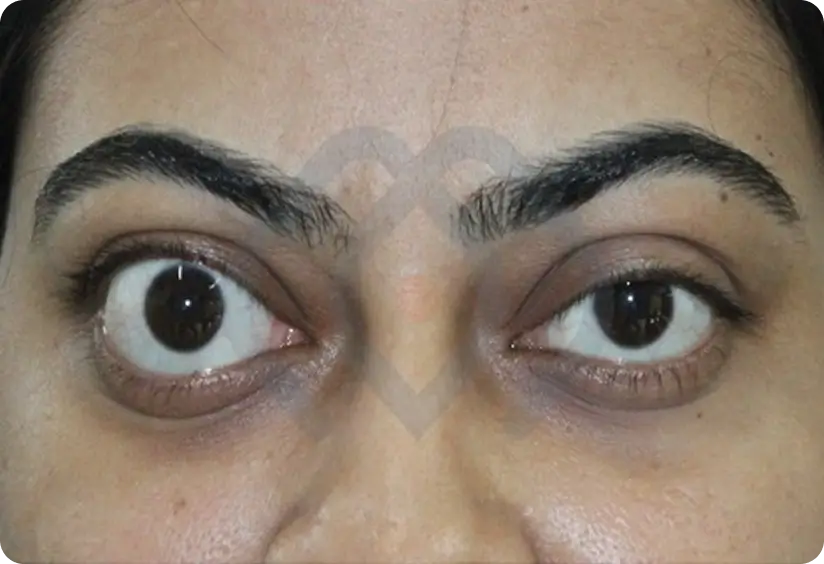
Before
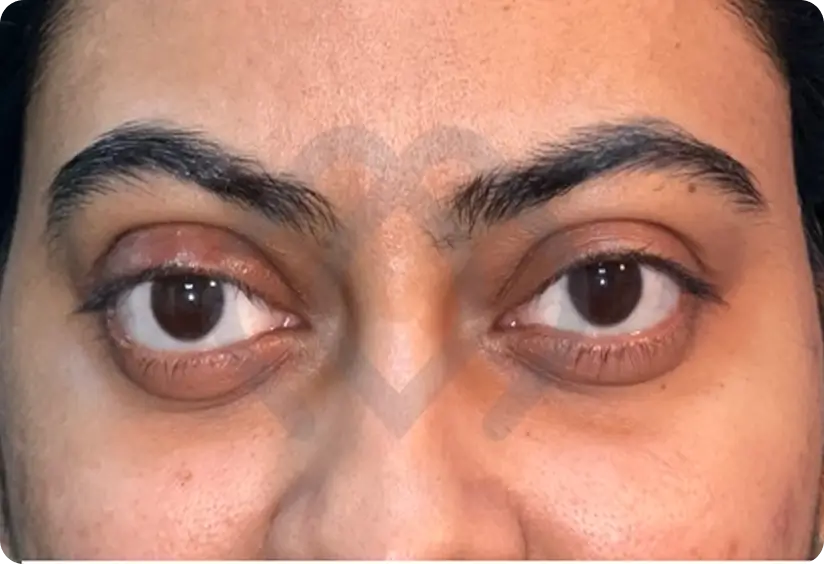
After
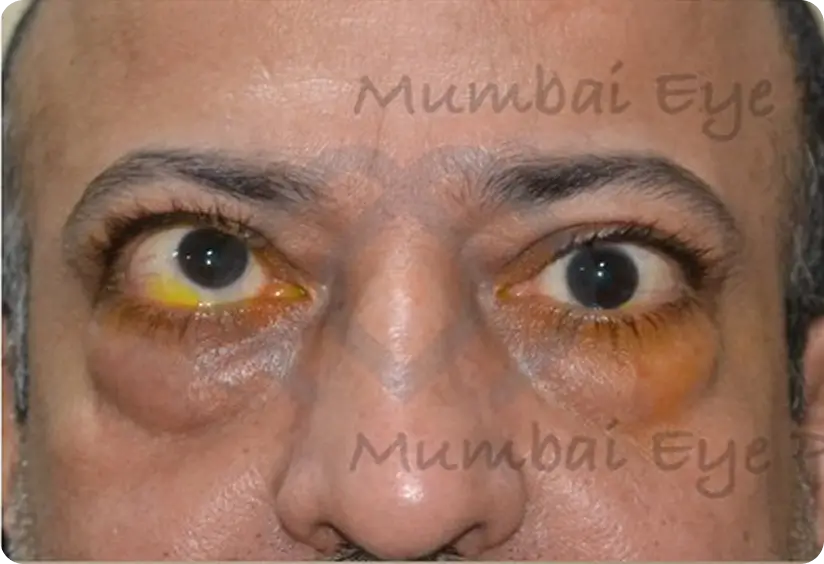
Before
After
Before
After
What are the Symptoms?
- Proptosis (bulging eyes)
- Double vision
- Eye discomfort and dryness
- Swelling and inflammation of the eyes
- Aesthetic concerns
When Do You Need Thyroid Eye Surgery?
Thyroid eye surgery is recommended for individuals diagnosed with thyroid eye disease (Graves’ disease) who experience significant ocular symptoms that impact their daily life, vision, or comfort. Surgical intervention is typically considered when non-surgical treatments and medical management are insufficient.
Procedure
The specific surgical approach for thyroid eye disease varies depending on the patient’s symptoms and their severity. Common techniques include muscle realignment, orbital decompression to reduce proptosis, and addressing other orbital issues that contribute to discomfort and double vision.
What to expect?
After thyroid eye surgery, patients can anticipate an improvement in eye comfort, reduced proptosis, and enhanced functionality. Discomfort and swelling are common post-surgery, but these can be managed with prescribed medications. Proper post-operative care and follow-up appointments are essential for the best possible outcomes.
Time for recovery
The recovery period following thyroid eye surgery can vary depending on the extent of the procedure. In general, most patients can return to their regular activities within a few weeks. It is advisable to avoid strenuous activities during the initial healing period to support a smooth recovery.
Need consultation for Thyroid eye disease?
Our best surgeons

Dr. Prerana Tahiliani
Dr. Prerana Tahiliani is a fellowship-trained, board-certified Ophthalmic Plastic Surgeon and Ocular Oncologist in Mumbai. She has completed extensive training in her chosen specialization of Ophthalmic Plastic Surgery.
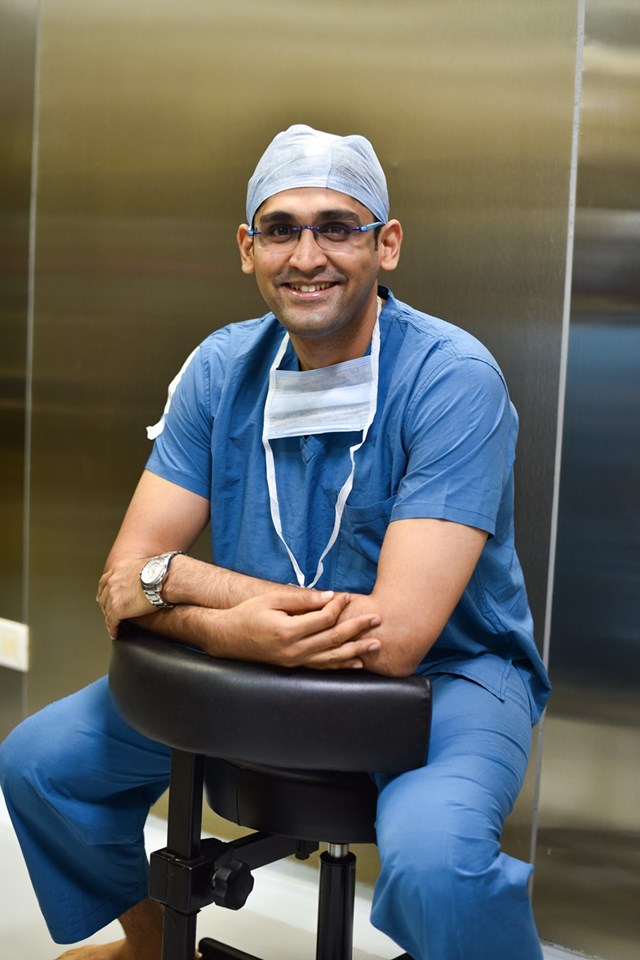
Dr. Adit Gupta
Dr. Adit Gupta is a highly skilled and qualified Ophthalmic Plastic Surgeon in Mumbai. He holds the coveted double-fellowship ASOPRS (the American Society of Ophthalmic Plastic and Reconstructive Surgery) recognition with a specialization in Ophthalmic Plastic Surgery as well as Facial Aesthetics.
Frequently Asked Questions
What is the best treatment for thyroid eye disease?
Treatment depends on severity and phase, typically involving lubricating eye drops, corticosteroids, teprotumumab (the only FDA-approved medication), or surgery.
What causes thyroid eye disease?
Thyroid eye disease is an autoimmune condition where the body's immune system mistakenly attacks the muscles and fatty tissues behind the eyes, causing swelling. It is most commonly associated with Graves' disease, an autoimmune disorder that causes an overactive thyroid.
What are the eye signs of hyperthyroidism?
Common eye signs include bulging or protruding eyes, retracted eyelids (giving a staring appearance), redness, swelling of the eyelids or tissues around the eyes, dry or watery eyes, a gritty sensation, light sensitivity, and blurred or double vision.
What surgery is done for thyroid eye disease?
Surgeries commonly done for thyroid eye disease include orbital decompression, strabismus (eye muscle) surgery, and eyelid retraction repair.
What is the most common complication of thyroid eye disease?
The most common clinical sign and complication of thyroid eye disease is eyelid retraction, while other common complications include dry eyes, ocular irritation, and restrictive strabismus leading to double vision (diplopia).
Will my eyes go back to normal after hyperthyroidism?
In mild cases, eyes may return to normal on their own or after treatment, but some patients are left with permanent changes that may require surgery to correct.
What are the danger signs of hyperthyroidism?
Danger signs include a very high fever, rapid or irregular heartbeat, shortness of breath, severe confusion, jaundice, and loss of consciousness.
How long does thyroid eye surgery take?
1 to 3. hours
Is thyroid surgery a serious surgery?
Yes, it is a major, precise operation that involves expanding the eye socket by removing bone or fat to relieve pressure on the optic nerve and protect vision.
What is the best treatment for thyroid eye?
Treatment depends on severity and phase, typically involving lubricating eye drops, corticosteroids, teprotumumab (the only FDA-approved medication), or surgery.
How much does a thyroid operation cost in Mumbai?
The cost depends on whether you mean thyroid gland surgery or surgery for thyroid eye disease, as these are different treatments. For thyroid eye disease, the cost depends on the specific procedure and severity of the condition.
Is there surgery for thyroid eye disease?
Yes, selected patients with thyroid eye disease may require surgery. Depending on the condition, procedures can include orbital decompression, eye-muscle surgery or eyelid surgery.
Is thyroid eye treatable?
Yes,thyroid eye disease is treatable, although treatment depends on whether the disease is active, its severity and the symptoms involved. Management may include observation, medication and, when necessary, orbital or eyelid surgery.
Who is the best doctor for thyroid problems in Mumbai?
For thyroid eye disease, an oculoplastic or orbital specialist can evaluate the eye-related problems, while an endocrinologist manages the underlying thyroid condition. Patients may need coordinated care between both specialists.