
Upper Eyelid Blepharoplasty
Upper Blepharoplasty
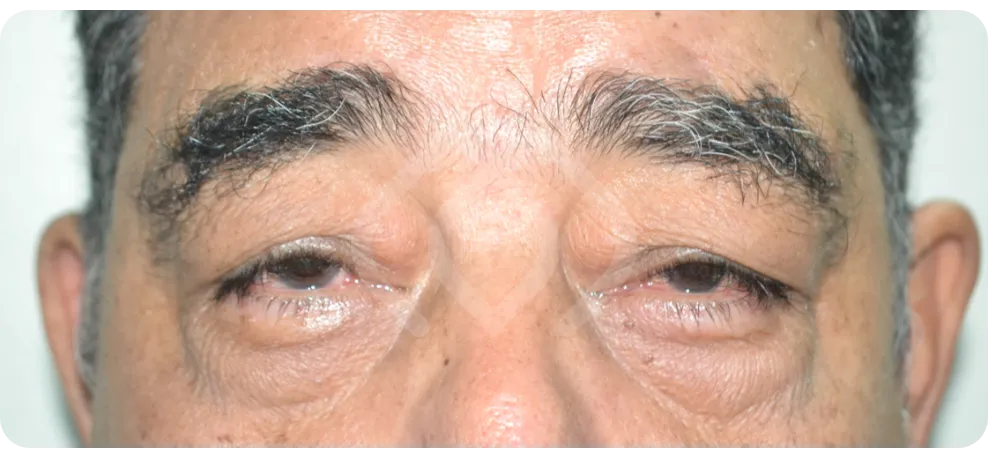
Upper eyelid surgery or upper blepharoplasty is a functional as well as cosmetic surgical procedure.
It is a recommended procedure for people with drooping eyelids, puffiness, and/or bags around the eye region to enhance their facial appearance and reverse the signs of aging. In some cases, blepharoplasty is carried out to get rid of orbital fat or excess skin to lower vision obstruction.
Before
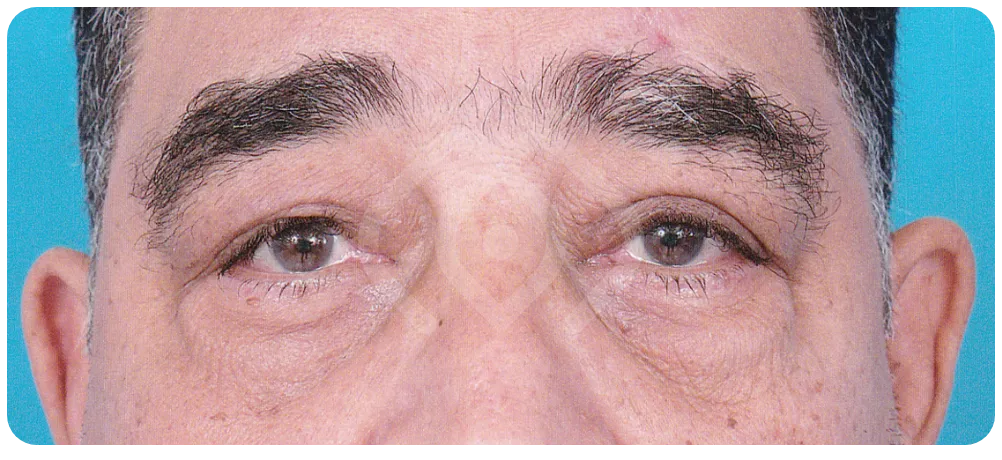
After
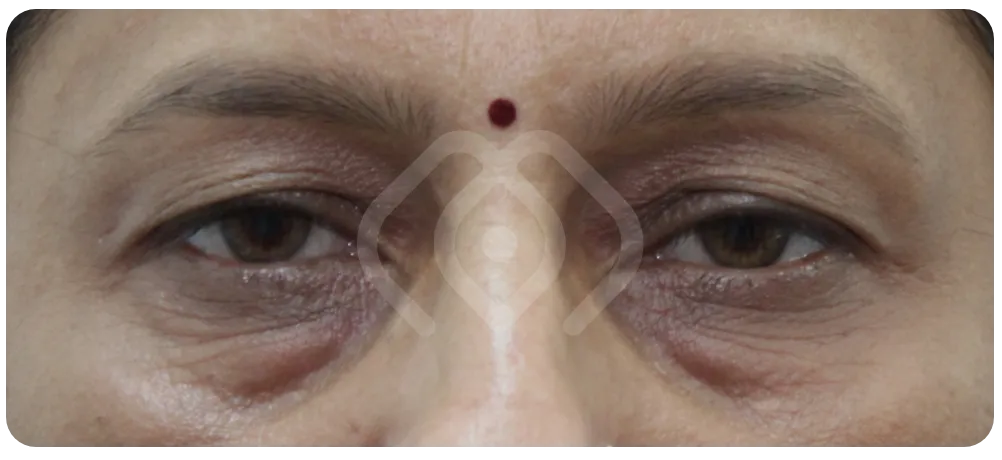
Before
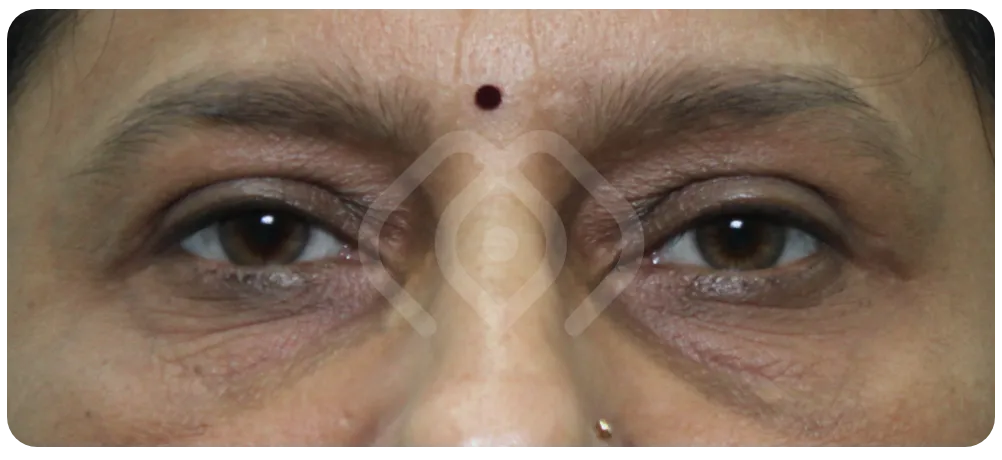
After
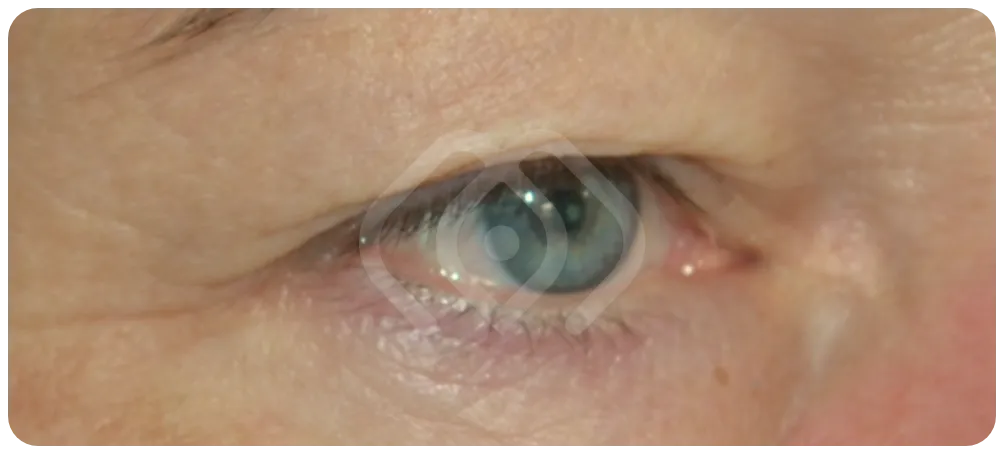
Before
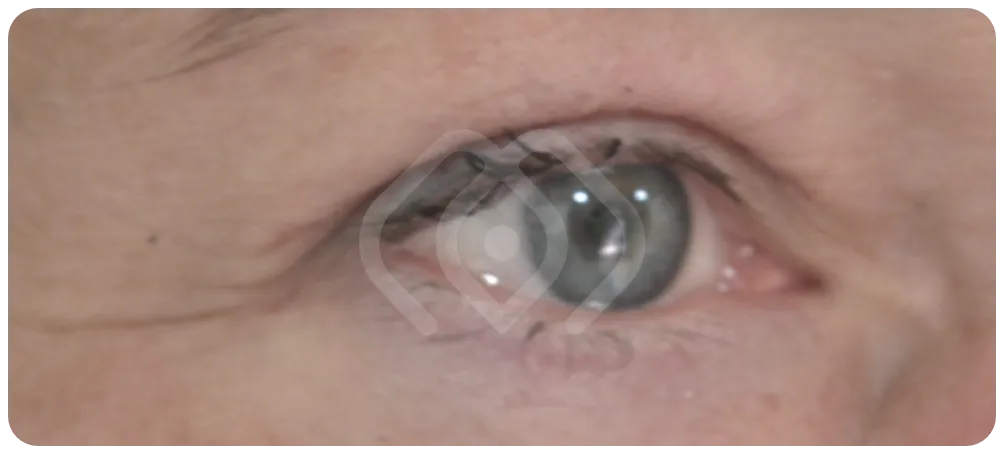
After
What are the Symptoms?
- Puffiness and/or bags around the eyes
- Signs of wrinkles
- Excess skin on the upper eyelid
- Sagging upper eyelid skin
- Obstruction in vision
When Do You Need Upper Eyelid Lift Surgery?
You can opt for upper eyelid surgery for cosmetic and functional reasons. Upper blepharoplasty can help reduce the signs of aging by correcting the drooping or sagging eyelids, restoring a youthful look.
It is also a suggested surgical procedure for people having trouble in their normal field of vision due to excess upper eyelid skin or fat eyelids.
Procedure
At MEPS, upper blepharoplasty is performed as a day-care surgery under local anesthesia. The surgery takes approximately an hour for both eyelids.
In upper eyelid blepharoplasty, our oculoplastic surgeons will make a fine incision in the pre-existing crease above the eye for minimizing scar visibility. The next step is the removal of a crescent of excess muscle and skin, along with the fat (puffiness), if any. Once done, the incisions are closed with fine stitches, which either dissolve or are removed within a week of the surgery.
What to expect?
Post the surgery, patients may experience bruising and swelling in the eyelid to some extent. To do away with the discomfort, you can use ice packs. Antibiotic eye ointments are also prescribed during the recovery period.
Since upper blepharoplasty is not always a medically necessary case, it doesn’t get insurance coverage in most cases. You can discuss the fees & payment policies with Dr. Gupta and Dr. Tahiliani to plan wisely.
Time for recovery
After the upper eyelid lift surgery, you are advised to not engage in any strenuous activity for at least a week. People wearing contact lenses are advised against using them for around a week after this surgery since the eyelid may be sore & stiff. Most people get back to their routine post surgery in about 10 – 15 days.
Need consultation for Upper Eyelid Blepharoplasty?
Our best surgeons

Dr. Prerana Tahiliani
Dr. Prerana Tahiliani is a fellowship-trained, board-certified Ophthalmic Plastic Surgeon and Ocular Oncologist in Mumbai. She has completed extensive training in her chosen specialization of Ophthalmic Plastic Surgery.
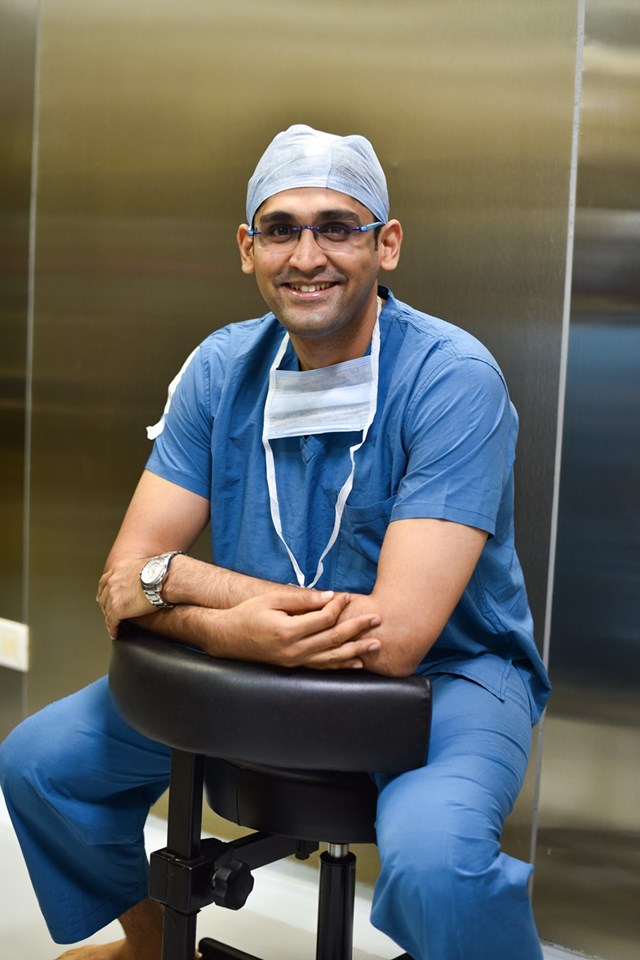
Dr. Adit Gupta
Dr. Adit Gupta is a highly skilled and qualified Ophthalmic Plastic Surgeon in Mumbai. He holds the coveted double-fellowship ASOPRS (the American Society of Ophthalmic Plastic and Reconstructive Surgery) recognition with a specialization in Ophthalmic Plastic Surgery as well as Facial Aesthetics.
Frequently Asked Questions
What is eyelid hooding?
When the eyelid fold falls on the eyelid causing heavy eyelid appearance
What is the cause of hooded eyelids?
Aging, sagging tissues, thin skin and droopy eyebrows
What tightens hooded eyelids?
Upper eyelid blepharoplasty surgery aims at removing excess skin and tightens the eyelid fold
What are the risks of blepharoplasty?
Blepharoplasty may cause temporary swelling, bruising, soreness or discomfort during recovery. Your oculoplastic surgeon will discuss the potential risks and expected results before surgery.
Do hooded eyes get worse with age?
Yes
How painful is upper blepharoplasty?
Upper blepharoplasty is generally well tolerated under local anaesthesia. Some swelling, bruising and discomfort can occur after surgery and usually improve during recovery.
Who is a good candidate for upper blepharoplasty?
Anyone with droopy eyelid fold and heavy eyelids
How should I prepare for eyelid surgery?
Preparation for eyelid surgery includes a detailed examination and discussion with your oculoplastic surgeon. Your surgeon will provide specific instructions about medicines, contact lenses and other preparations before surgery.
What happens during upper blepharoplasty procedure?
Upper blepharoplasty is performed as a day-care procedure under local anaesthesia. A fine incision is made in the natural eyelid crease, and excess skin, muscle and fat may be removed before the incision is closed with fine stitches.
What happens after a blepharoplasty procedure?
After upper blepharoplasty, some eyelid swelling and bruising may occur. Ice packs and prescribed antibiotic eye ointment may help during recovery, and most patients return to their routine in about 10–15 days.
Are there possible complications with upper blepharoplasty?
As with any surgery, upper blepharoplasty can have complications, although they are not common. Your oculoplastic specialist should assess your individual risks and explain them before the procedure.
How much does blepharoplasty cost in Mumbai?
The cost of blepharoplasty in Mumbai varies depending on the type of surgery, complexity, anaesthesia and individual requirements. An oculoplastic specialist can assess your eyelids and provide an appropriate cost estimate.
How much does upper eyelid blepharoplasty cost in India?
The cost of upper eyelid blepharoplasty in India varies by city, surgeon, hospital and complexity of the procedure. A consultation is recommended to determine the most suitable treatment and personalised estimate.