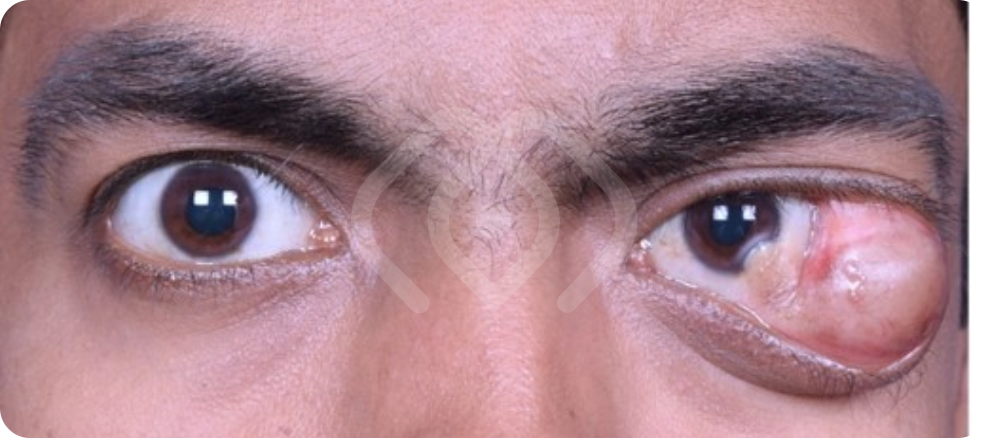
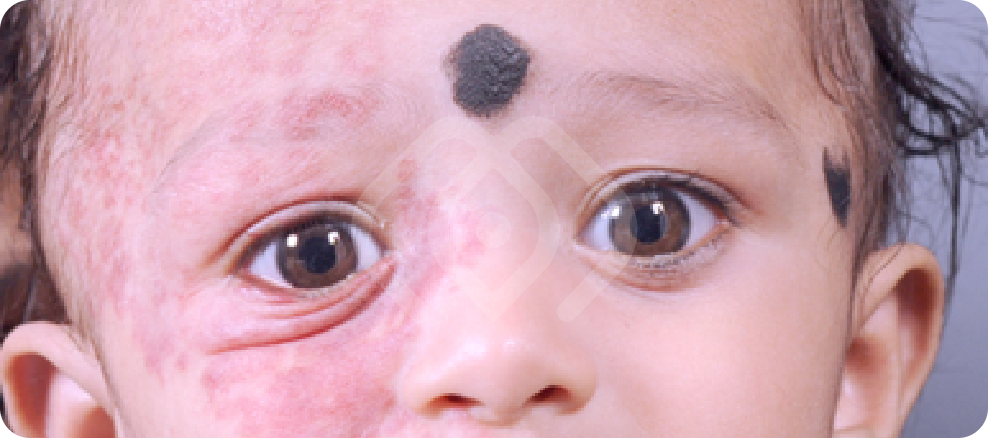
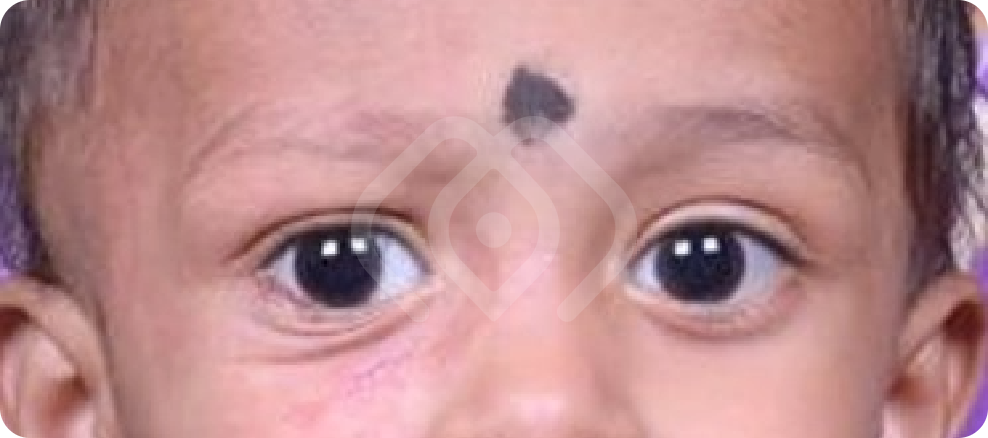
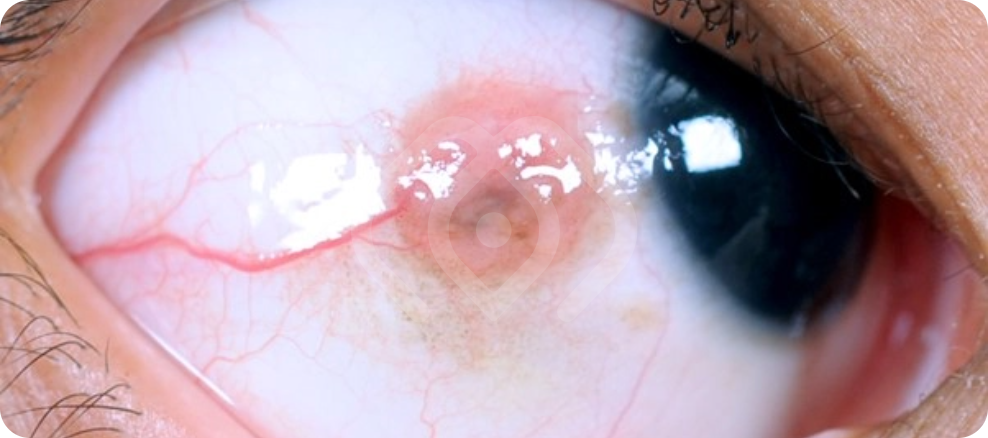
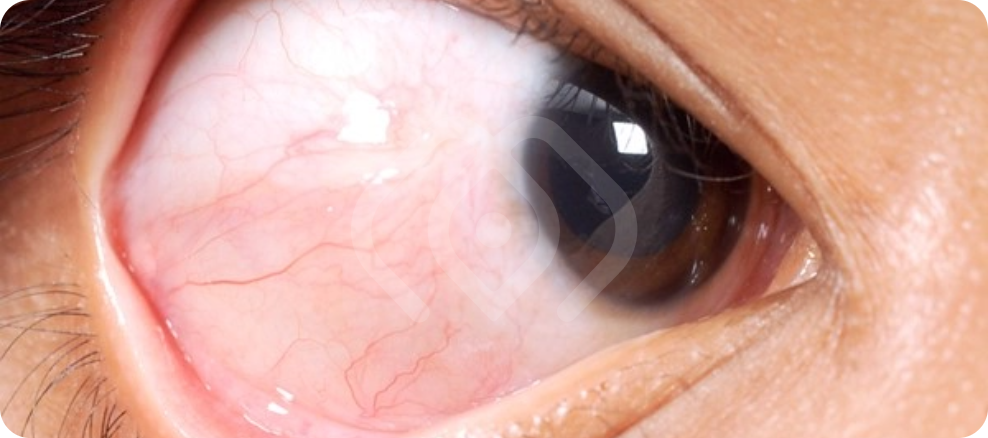
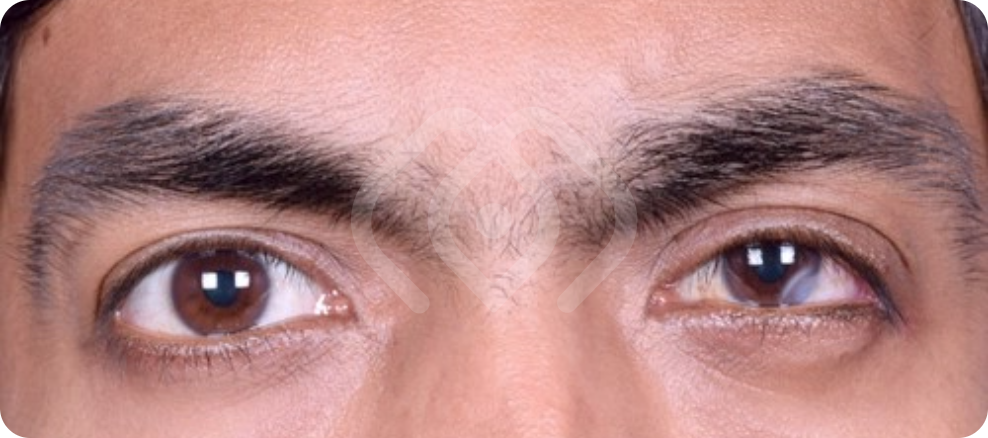
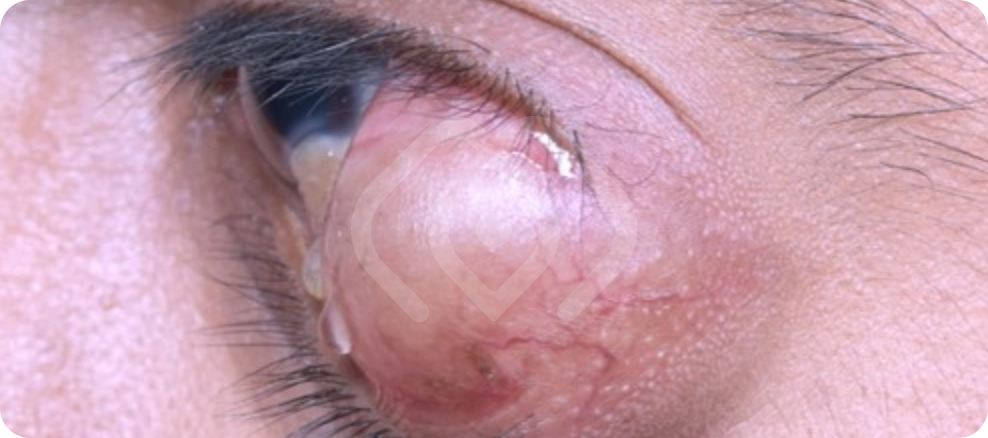
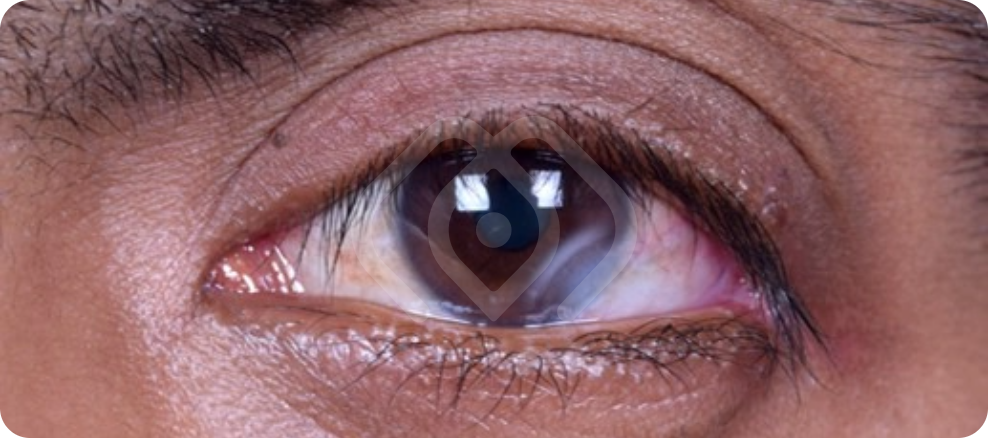
Eye cancer, medically known as ocular cancer or intraocular cancer, is a rare but serious condition that affects the eye. It is a severe medical condition that demands prompt diagnosis and specialized treatment.
Before
After
Before
After
Before
After
Before
After
What are the Symptoms?
Changes in vision, such as blurred or distorted vision.
Seeing flashes of light or "floaters."
Eye pain, discomfort, or redness.
A new dark spot on the eye.
Reduced field of vision.
When Do You Need Eye Cancer Treatment?
Eye cancer necessitates immediate medical attention upon experiencing symptoms similar to those mentioned above. Early detection is vital for effective treatment and the preservation of vision.
Diagnosis and Treatment
Diagnosing eye cancer entails a thorough eye examination, often involving specialized imaging techniques. Treatment options depend on the type, location, and stage of the cancer and may include:
Radiation therapy
Laser therapy
Surgical removal of the tumor
Chemotherapy
Targeted therapy
Recovery and Prognosis
Recovery from eye cancer treatment varies depending on the type and extent of the cancer. Some patients may encounter temporary vision changes, while others may require ongoing care and follow-up appointments. Prognosis is influenced by the cancer type and stage, with early detection correlating with better outcomes.
Dr. Prerana Tahiliani is a fellowship-trained, board-certified Ophthalmic Plastic Surgeon and Ocular Oncologist in Mumbai. She has completed extensive training in her chosen specialization of Ophthalmic Plastic Surgery.
Dr. Adit Gupta
Dr. Adit Gupta is a highly skilled and qualified Ophthalmic Plastic Surgeon in Mumbai. He holds the coveted double-fellowship ASOPRS (the American Society of Ophthalmic Plastic and Reconstructive Surgery) recognition with a specialization in Ophthalmic Plastic Surgery as well as Facial Aesthetics.
Frequently Asked Questions
Is eye cancer completely curable?
It is often curable if it is contained within the eye, but it becomes more difficult to treat and is generally not curable if it spreads to distant tissues.
What is the survival rate for eye cancer?
The overall 5-year relative survival rate is approximately 81% to 84%, varying by stage from 85% to 88% for localized disease to 16% to 19% if the cancer has spread to distant tissues.
What are the common symptoms of eye cancer in adults?
Common symptoms include blurred or distorted vision, floaters or flashes of light, a growing dark spot on the iris or eyeball, changes in pupil size or shape, loss of peripheral vision, and bulging of the eye.
How fast does eye cancer spread?
The speed at which eye cancer spreads varies widely depending on factors such as the specific type of cancer, tumor size, location, and how early it is diagnosed. Younger or thicker tumors tend to grow and multiply more rapidly.
How are eye cancers treated?
Treatment varies by type and advancement, commonly involving surgery (resection, enucleation, or exenteration), radiation therapy (such as brachytherapy or proton beam therapy), laser therapy, chemotherapy, immunotherapy, or active surveillance.
How does eye cancer start?
Eye cancer starts when cells in or around the eye change and begin to grow and divide out of control, forming a mass called a tumor.
What are signs of cancer in your eyes?
Possible warning signs include a persistent eyelid lump, changing mole or lesion, unexplained bleeding, a new growth or changes in vision. These symptoms can have many non-cancerous causes, so specialist evaluation is important.
What Our Patients Say
An excellent experience from start to finish. As an international patient, we felt completely comfortable and supported throughout the process. Dr Adit Gupta was kind, knowledgeable, and reassuring, with quick feedback and great care for both the patient and family. Outstanding work and results.