
If you’re weighing up surgery around your eyes — a droopy eyelid, under-eye bags, a watery eye, a lump, or thyroid-related eye changes — the single most important decision you’ll make isn’t which procedure. It’s who operates. The eyelids are among the most delicate, functional and visible structures on the body, and the margin for error is measured in millimetres. This guide walks you through what actually matters when choosing an oculoplastic surgeon in Mumbai, the questions to ask, and the red flags to avoid.
First, what is an oculoplastic surgeon — and why it’s not the same as a “cosmetic surgeon”?
An oculoplastic surgeon is an ophthalmologist (eye doctor) who has completed additional fellowship training specifically in plastic and reconstructive surgery of the eyelids, tear ducts and eye socket (orbit). That dual grounding matters: they understand both how the eye works and how it should look. A general cosmetic or plastic surgeon may operate all over the face and body; a general ophthalmologist treats the eye itself but usually doesn’t specialise in the surrounding structures. Oculoplastics sits precisely in that gap — which is why, for anything involving the eyelids or orbit, an oculoplastic specialist is the safest pair of hands.
The seven things worth checking
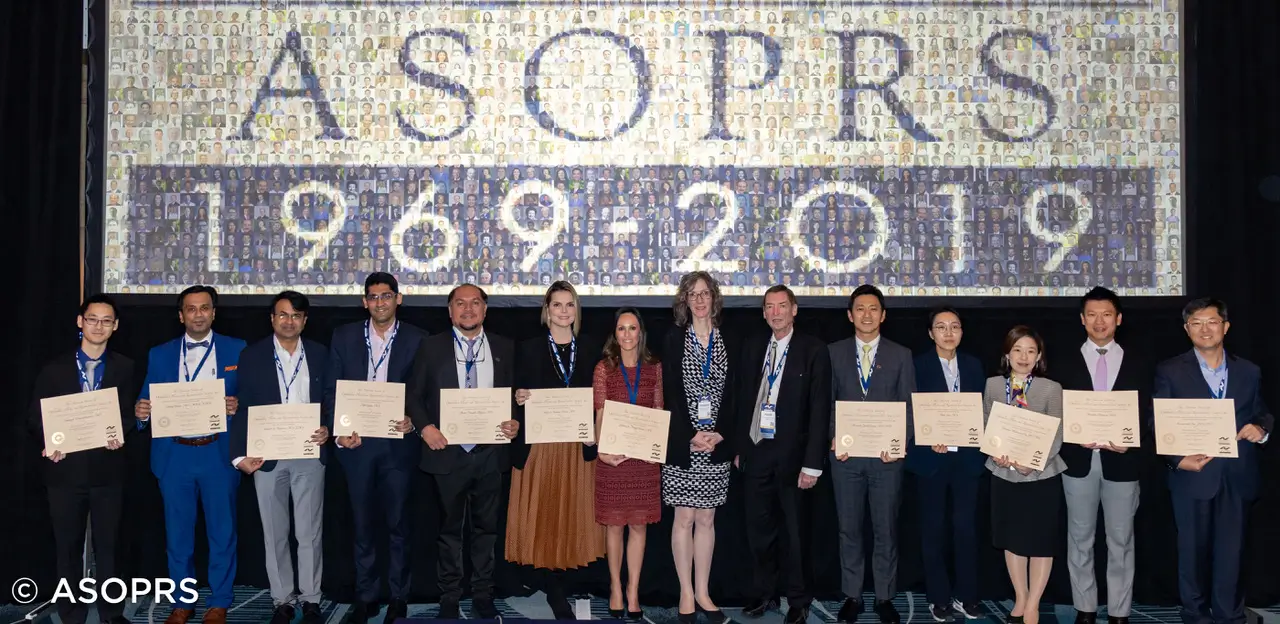
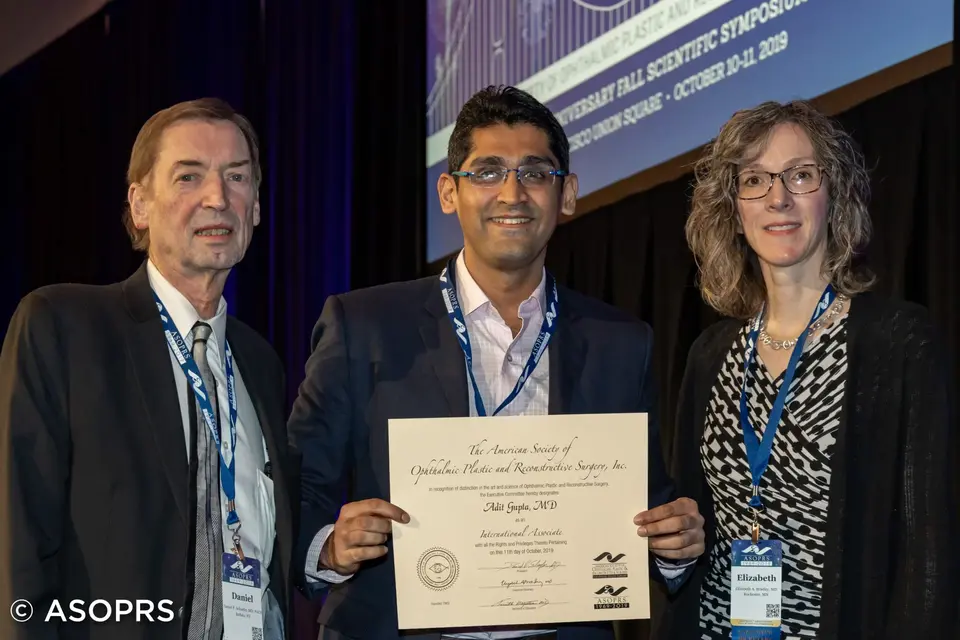
- Fellowship training and recognised credentials. This is the big one. Look for fellowship training in oculoplastic/ophthalmic plastic surgery, and membership of recognised bodies such as ASOPRS (American Society of Ophthalmic Plastic and Reconstructive Surgery) or APSOPRS (the Asia-Pacific equivalent). ASOPRS in particular is a rigorous, internationally respected qualification — surgeons who hold it have completed structured, examined training in exactly this field. It’s a reliable shortcut for “this person is a genuine specialist,” not a generalist who occasionally does eyelids.

- A genuine oculoplastic focus — not an occasional add-on. Ask how much of the surgeon’s practice is oculoplastics. A surgeon who does eyelid and orbital work every week will have handled far more variation — and far more of the rare complications — than one who does it a few times a year alongside unrelated procedures. Depth of repetition is what turns training into judgement.
- Real experience with your specific procedure. “Oculoplastic surgery” spans cosmetic blepharoplasty, ptosis repair, tear-duct (DCR) surgery, thyroid eye disease, eyelid reconstruction and ocular oncology — different skills. Ask specifically about the procedure you need, and ask to see before-and-after photographs of the surgeon’s own patients for that operation. Consistent, natural-looking results across many cases tell you more than any single dramatic photo.
- Where — and how — the surgery is actually performed. A dedicated day-care setup built for eye surgery, with proper theatre and recovery facilities, is safer and more comfortable than an improvised space. Most eyelid procedures are done under local anaesthesia as day-care, so you go home the same day. Ask where your surgery will happen and what the safety and sterility standards are.
- An honest, unhurried consultation. A good specialist tells you what’s realistic, explains the risks plainly, and is comfortable saying “you don’t need this” when you don’t. Be wary of anyone who promises perfection, pressures you to decide on the spot, or glosses over complications. The eyes deserve a conversation, not a sales pitch.
- Transparent pricing. You should leave the consultation knowing what the procedure costs, what’s included, and whether your case is cosmetic (usually self-funded) or functional (sometimes insurance-eligible). Clear, itemised pricing with no vague “add-ons later” is a sign of a practice that respects you.
- Reviews, communication and follow-up. Read patient reviews, but weight how the surgeon and team communicate — before, during and especially after surgery. Good aftercare (planned reviews, someone to call if you’re worried) is part of a good result, not an extra.

Questions worth asking at your consultation
- Are you fellowship-trained in oculoplastic surgery, and are you a member of ASOPRS or APSOPRS?
- How often do you perform the specific procedure I need?
- Can I see before-and-after photos of your own patients?
- Where will my surgery be done, and under what anaesthesia?
- What are the risks in my case, and how are complications handled?
- What does recovery look like, and who do I contact if something worries me?
- What is the all-in cost, and is any of it insurance-eligible?
About MEPS
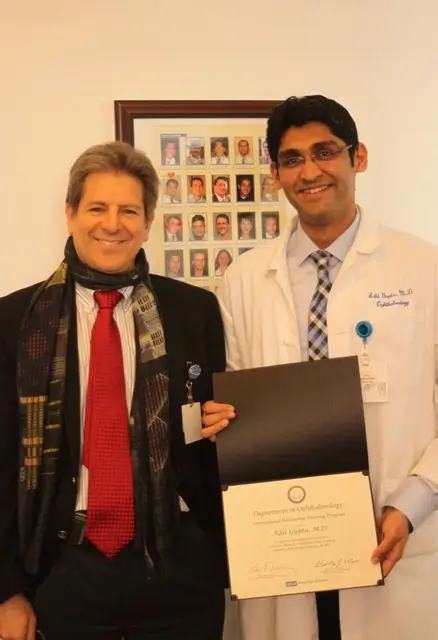
Mumbai Eye Plastic Surgery (MEPS), established in 2018 in Pali Hill, Bandra, was one of Mumbai’s first dedicated oculoplastic centres. Care is led by Dr. Adit Gupta (trained at the UCLA Stein Eye Institute) and Dr. Prerana Tahiliani (oculoplastic surgeon and ocular oncologist) — both world renowned surgeons, operating in a purpose-built day-care facility. You can read more about the team and our approach here. Dr. Gupta also consults in Pune.
Frequently asked questions
1. What is the difference between an oculoplastic surgeon and a plastic surgeon?
An oculoplastic surgeon is an eye doctor with further fellowship training in surgery of the eyelids, tear ducts and orbit, so they specialise in the eye region. A plastic surgeon operates across the face and body but usually isn’t an eye specialist.
2. Is a general eye doctor enough for eyelid surgery?
A general ophthalmologist treats the eye itself but may not specialise in the surrounding eyelids and orbit. For eyelid, tear-duct or orbital surgery, an oculoplastic specialist is the appropriate choice.
3. What should I ask at the first consultation?
Ask about fellowship training and how often they perform your specific procedure, to see their own before-and-after photos, where surgery is done, the risks in your case, recovery, and the all-in cost.
4. Is oculoplastic surgery safe?
In trained specialist hands it is a safe, well-established field. Most procedures are day-care under local anaesthesia. As with any surgery there are risks, which a good surgeon will discuss with you honestly beforehand.